
What Defines True Luxury in Residential Construction Today?
Hamptons modern homes
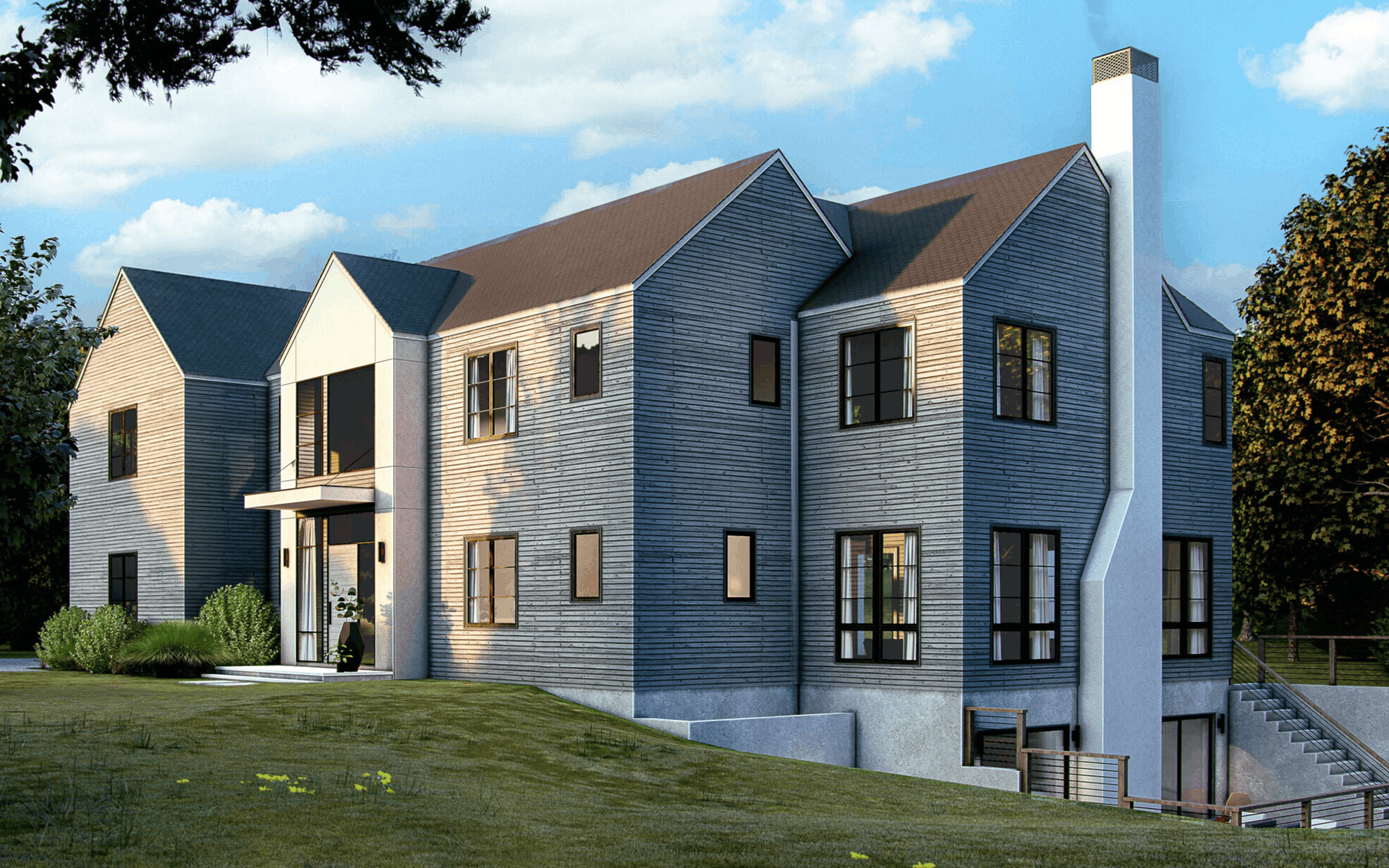
Modern Luxury Homes Are Defined by Intentionality
What separates a high-end home from a truly luxurious one is not square footage or price per square foot. It is intentionality. Every room, every transition, every material choice in a modern luxury home should serve a purpose — aesthetic, functional, or both.
Today’s luxury residential builder understands that clients are not simply buying a structure. They are investing in a lifestyle. That means designing homes where the morning light falls exactly right, where the kitchen flows naturally into the living space, where the master suite feels like a private retreat, and where the outdoor environment is as considered as any interior room.
High-end home construction today demands a level of coordination and foresight that goes far beyond traditional building. Architects, interior designers, landscape architects, and specialist tradespeople must work as a unified team — guided by a shared vision and held to an uncompromising standard of quality.
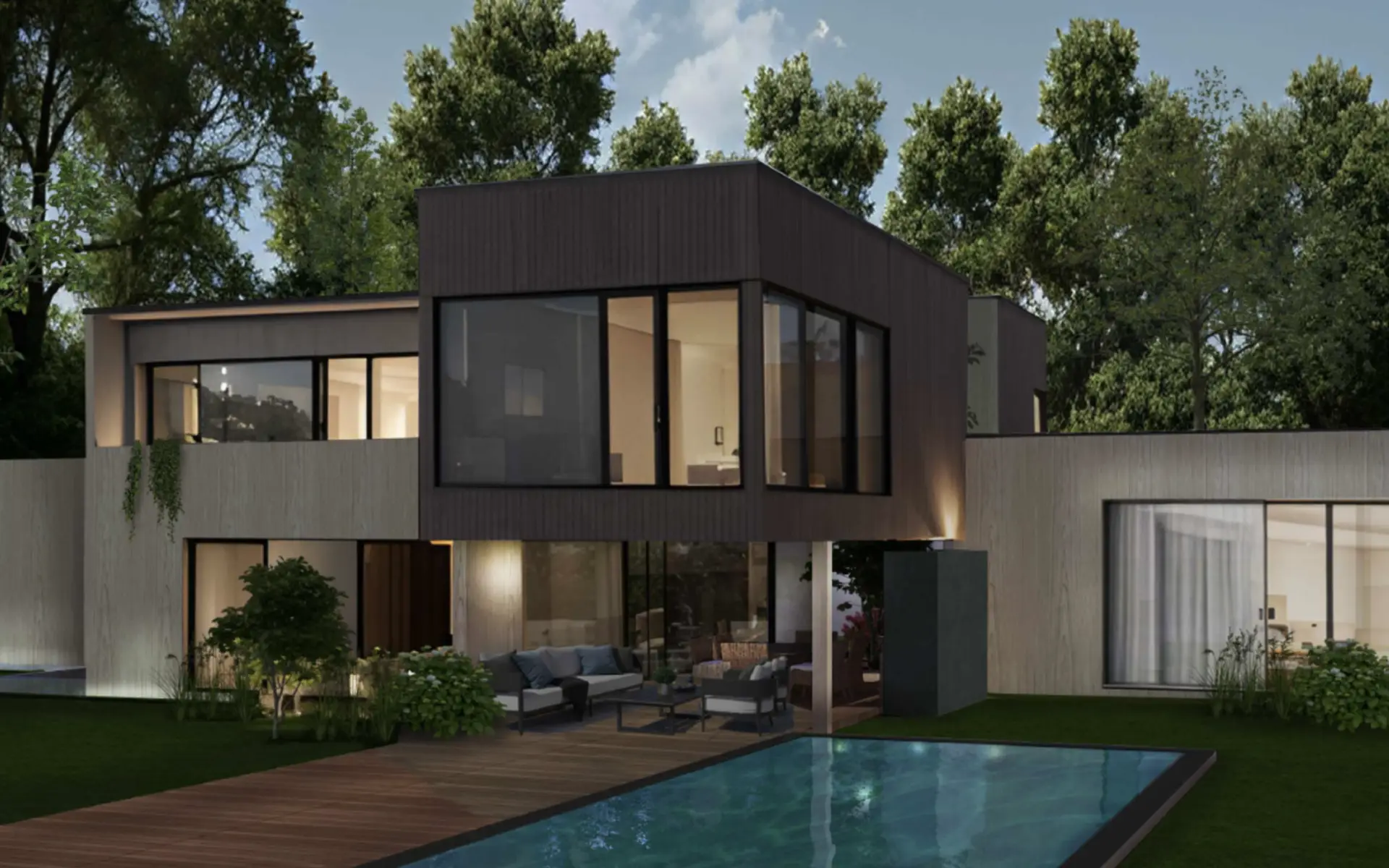
The Role of Craftsmanship in Defining Luxury
Craftsmanship remains the most reliable indicator of true luxury in residential construction. It is what you notice the moment you walk through the door — and what you continue to discover long after you have moved in. Hand-applied plaster finishes. Bespoke joinery fitted without a single visible gap. Stone selected vein by vein for continuity across a floor. These are the details that define high-end home construction at its finest.
At 1640 Management, we collaborate with the most skilled artisans and tradespeople available — because we know that the difference between a good home and an extraordinary one lives in the details most people never consciously register but always feel.
Technology and Innovation in Modern Luxury Homes
Luxury residential construction today also embraces technology as a core component of the living experience. Smart home integration — from automated lighting and climate systems to whole-home audio and advanced security — is no longer a premium upgrade. It is an expectation in modern luxury homes.
The best high-end home construction seamlessly integrates technology so that it enhances daily life without disrupting the aesthetic integrity of the home. Systems are hidden. Controls are intuitive. The home responds to its occupants — quietly, efficiently, and without friction.
At 1640 Management, we believe that exceptional homes deserve exceptional care—from the earliest stages of planning and construction to the ongoing management and maintenance of the property.
Visit Us on our Social Media.