
Luxury Home Renovation in the Hamptons
How to Modernize the Right Way
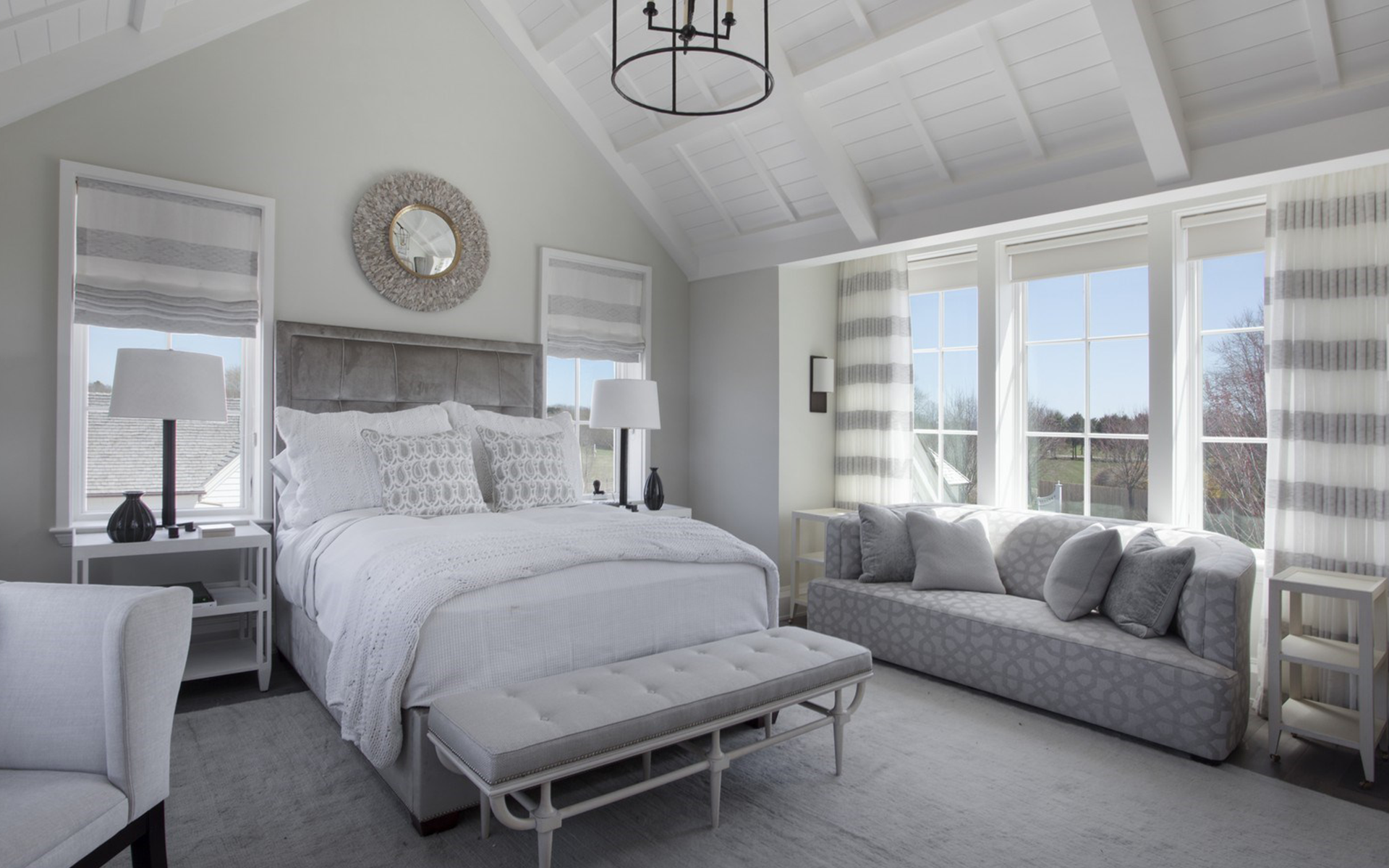
Why Renovating a Hamptons Property Is Its Own Skill Set
New construction gives a team a blank slate. Renovation doesn’t. Every wall, foundation element, and mechanical system in an existing home comes with constraints a new build never has to consider:
- Structural conditions that aren’t visible until walls are opened
- Older electrical, plumbing, and HVAC systems that may not meet current code
- Architectural details worth preserving, not replacing
- Local zoning and historic district rules that can limit what’s possible
- Coordinating construction around a property that may still be partially livable
Frequently Asked Questions
Is it cheaper to renovate a luxury home than to build new?
It depends on the property. A renovation can be more cost-effective when the existing structure and foundation are sound, but hidden issues — outdated systems, structural repairs, code upgrades — can close that gap quickly. A detailed assessment before starting is the only reliable way to know.
How long does a luxury home renovation in the Hamptons typically take?
Timelines vary widely based on scope, but a substantial luxury renovation often runs several months to over a year, especially when structural, electrical, or plumbing systems are being fully updated.
Can a renovation still qualify as a luxury home?
Yes. Luxury is defined by the quality of materials, craftsmanship, and finished result — not by whether the home is new construction. Many of the most sought-after Hamptons properties are renovated homes with original character preserved.
Considering a Renovation Instead of Starting Over?
A successful luxury home renovation in the Hamptons takes the same level of expertise as new construction — sometimes more, given how much can be hidden behind an existing wall. At 1640 Management, we help homeowners assess what’s possible, manage the process from planning through final walkthrough, and modernize a property without losing what made it worth renovating in the first place.
Contact 1640 Management to talk through your renovation project.

Luxury Home Renovation in the Hamptons: How to Update a Property Without Losing Its Character
Not every luxury home in the Hamptons starts from a blank lot. Many of the most desirable properties here are older homes — beautifully sited, full of character, and in need of the right kind of update. A luxury home renovation in the Hamptons is a different challenge than new construction: the goal isn’t to start over, it’s to modernize a property while protecting the things that made it worth buying in the first place.
Done well, a renovation can make a property feel brand new without erasing its history. Done poorly, it can strip away exactly what gave the home its value.
Why Renovating a Hamptons Property Is Its Own Skill Set
New construction gives a team a blank slate. Renovation doesn’t. Every wall, foundation element, and mechanical system in an existing home comes with constraints a new build never has to consider:
- Structural conditions that aren’t visible until walls are opened
- Older electrical, plumbing, and HVAC systems that may not meet current code
- Architectural details worth preserving, not replacing
- Local zoning and historic district rules that can limit what’s possible
- Coordinating construction around a property that may still be partially livable
A renovation team needs to know when to preserve original character and when a system genuinely needs to be replaced — a judgment call that doesn’t come up the same way on a ground-up build.
What a Great Luxury Renovation Actually Changes
The best Hamptons renovations tend to focus on a similar set of upgrades:
- Opening up the floor plan — removing walls that no longer make sense for how people actually live and entertain today
- Modernizing kitchens and bathrooms — the two spaces that age the fastest and matter most to resale value
- Upgrading building systems — HVAC, insulation, and electrical work that improves comfort and efficiency without changing how the home looks
- Restoring original details — millwork, flooring, and architectural features that are worth preserving rather than replacing
- Adding indoor-outdoor connection — expanding doors, windows, or outdoor living space to match how modern luxury buyers expect a coastal property to function
Renovation vs. Rebuild: How to Know Which One You Need
Homeowners often assume a full teardown is the only way to get a truly modern home. That’s rarely true. A detailed structural and cost assessment upfront can usually determine whether renovation makes more sense than starting over — and it often does, especially when a property has a strong original structure, a desirable lot, or architectural character that would be expensive or impossible to recreate.
The right answer depends on the condition of the existing structure, local zoning restrictions on new builds, and the homeowner’s budget and timeline — not a default assumption in either direction.
Why Project Management Matters Even More in a Renovation
Renovation work is inherently less predictable than new construction — hidden conditions behind a wall can change a budget or schedule mid-project in a way a ground-up build rarely does. That makes experienced construction management even more important on a renovation than on new construction: someone needs to be actively tracking budget, adjusting the schedule as conditions are uncovered, and keeping trades coordinated in a space that’s often more constrained than an open lot.